When you search for exterior cleaning services in Hickory NC, you will see both “pressure washing” and “soft washing” used frequently. Many homeowners assume they are the same thing. They are not, and using the wrong method on the wrong surface can cause real damage. Here is exactly what each method is and when each one is appropriate.
What Is Pressure Washing?
Pressure washing uses high-pressure water, typically between 1,500 and 4,000 PSI, to blast dirt, grime, and staining off hard surfaces. The mechanical force of the water does most of the work.
Pressure washing is best for:
- Concrete driveways and sidewalks
- Brick pavers and retaining walls
- Unsealed concrete surfaces
- Metal equipment and machinery
Hard, dense surfaces can tolerate the force required to dislodge embedded dirt without being damaged. That is the key distinction.
What Is Soft Washing?
Soft washing uses very low water pressure, often under 100 PSI, similar to a garden hose, combined with a specialized cleaning solution applied to the surface. The chemistry does the work instead of the force. The solution typically contains a diluted bleach-based surfactant that kills algae, mold, mildew, and lichen at the root, then rinses away.
Soft washing is best for:
- Vinyl siding and painted wood siding
- Roofs (asphalt shingles, metal, tile)
- Stucco and EIFS surfaces
- Painted surfaces including trim and shutters
- Cedar and wood shake siding
- Screen enclosures and composite decking
Why the Method Matters
Applying high pressure to a surface that cannot tolerate it causes damage that is often visible immediately, and sometimes not visible until later. Common pressure washing mistakes on vulnerable surfaces include:
- Stripping granules from asphalt shingles, voiding the roof warranty and reducing remaining life
- Forcing water behind vinyl siding, leading to mold growth inside the wall cavity
- Etching soft mortar in older brick or masonry
- Raising the grain on wood decking, leaving a rough surface that holds moisture
- Removing paint or sealant from painted surfaces
Conversely, using low pressure on concrete does not get the surface truly clean. You need mechanical force to pull embedded oil stains, tire marks, and rust out of porous concrete.
The Right Method for Your Home in Hickory NC
A professional exterior cleaning company will assess every surface before choosing a method, and often uses a combination of both on the same property. A typical full-service visit at a Hickory home might involve:
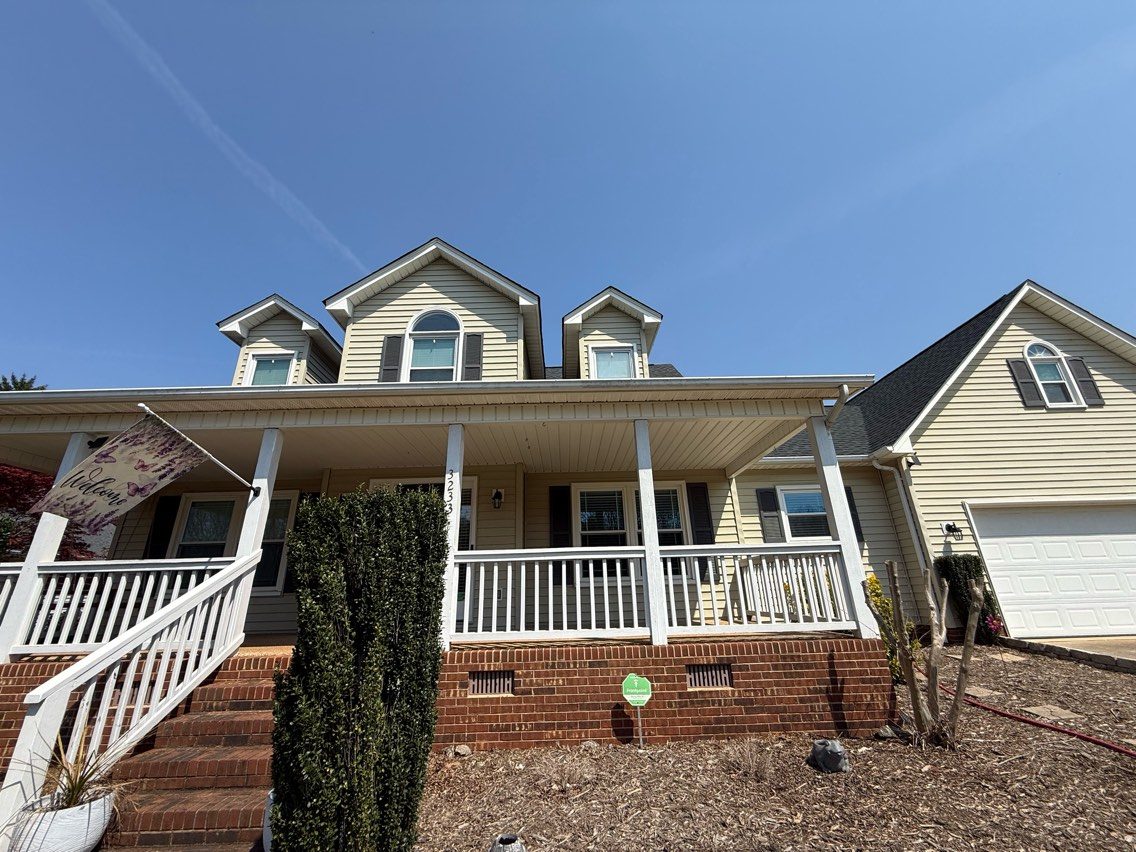
- Soft washing the house siding, fascia, and soffits
- Soft washing the roof
- Pressure washing the driveway and front walkway
- Soft washing the fence
When you call a company and they tell you they “pressure wash everything,” that is a red flag. It usually means they are using a single method regardless of the surface, and the surfaces that cannot tolerate it will show it.
HydroClean Uses Both Methods
At HydroClean, we use soft washing as our primary method for all surfaces that require it, siding, roofs, stucco, fences, and decks, and pressure washing where it is appropriate: concrete, brick pavers, and similar hard surfaces. Every job is assessed before we start.
We serve Hickory, Newton, Conover, Granite Falls, Claremont, Maiden, Taylorsville, and surrounding Catawba County communities. Contact us for a free estimate.
Frequently Asked Questions
Is soft washing safe for all types of roofing?
Soft washing is the only recommended method for asphalt shingles. The Asphalt Roofing Manufacturers Association specifically warns against pressure washing shingle roofs. Soft washing removes the algae causing the black streaks without damaging the shingles.
How long do the results of soft washing last?
The cleaning solutions used in soft washing leave a residual that slows biological regrowth. House washing results typically last one to two years in the Hickory area depending on shade and moisture exposure. Roof soft washing results typically last two to four years on asphalt shingles.
Will soft washing kill my plants?
The cleaning solutions we use are biodegradable and diluted appropriately. We pre-wet all landscaping before washing and rinse it after. Properly applied, soft washing does not harm established plants and shrubs.