By Jason, Owner. HydroClean Pressure Washing · Updated July 2026
Vinyl and wood fences are everywhere in Hickory neighborhoods, and most of them are a lot dirtier than their owners realize. What looks like “weathering” or normal wear is often a layer of mold, mildew, and algae that has colonized the surface over years. The good news: professional fence cleaning removes it completely and restores the original appearance of your fence in a single visit.
Why Fences Get Dirty So Fast in Hickory, NC
Western North Carolina’s warm, humid climate is ideal for biological growth. Mold, mildew, and algae spores are airborne and land on every outdoor surface. Fences are particularly vulnerable because they have large surface areas, often face north or stay shaded by trees, and do not get rinsed by rain as thoroughly as open surfaces do. A fence that went up white three years ago can look permanently stained, and usually is not.
Vinyl Fence Cleaning: What to Expect
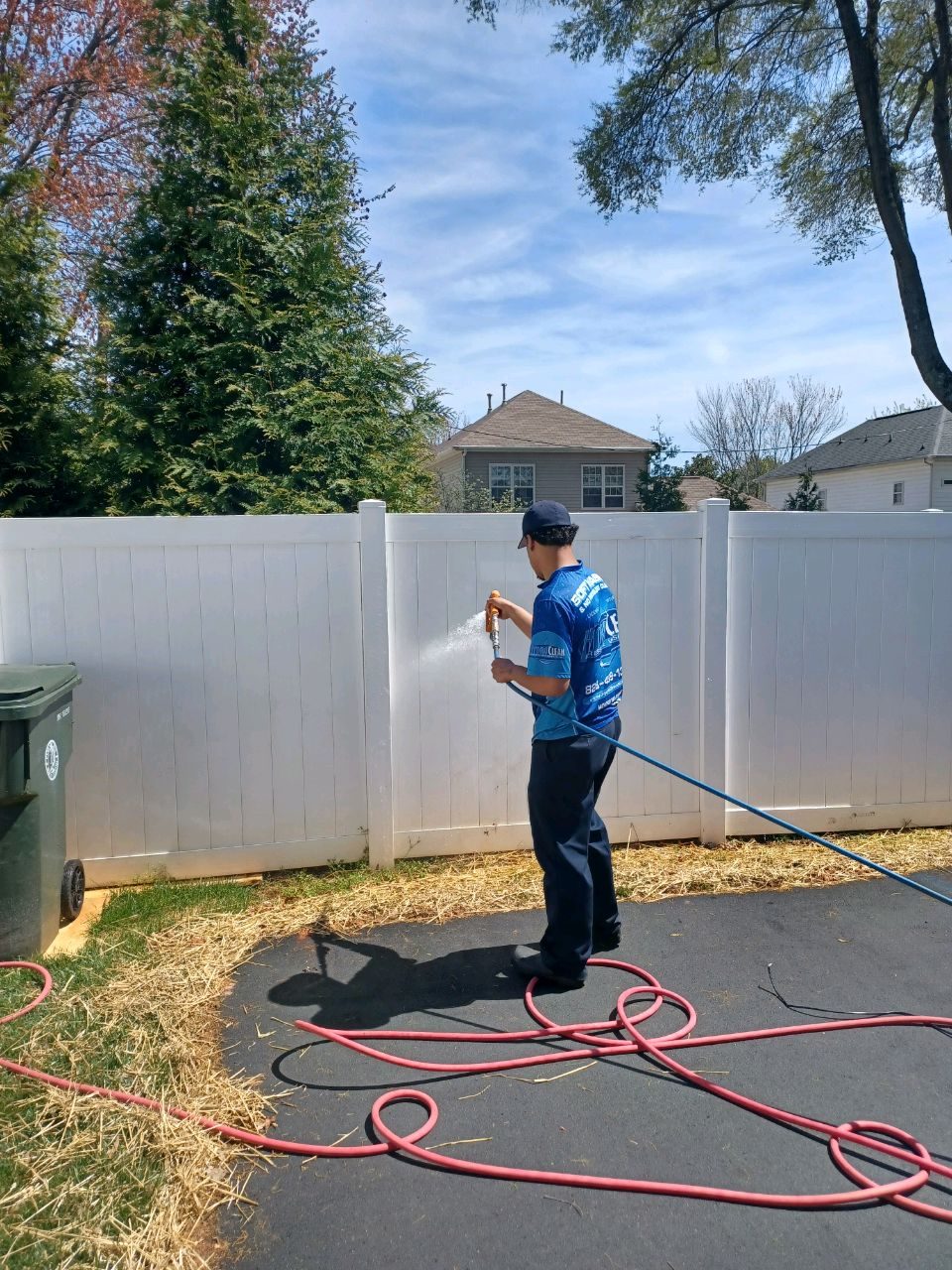
Vinyl fencing accumulates two main types of staining: green algae (usually on the shaded side) and black mildew (in panel grooves and post caps). Both respond well to soft washing, a low-pressure chemical cleaning process that kills biological growth at the root and rinses it away.
The results on vinyl are dramatic. A fence that appeared permanently green-gray comes back to near-original white after a single treatment. Soft washing is the correct method for vinyl because high-pressure washing can crack or warp panels.
Wood Fence Cleaning: Restoring the Natural Look
Wood fences gray from UV oxidation and develop black mold and mildew in the grain. Professional cleaning with a wood-safe cleaner and brightener removes the gray oxidation and biological growth, restoring a fresh, bright wood appearance. This is the essential first step before staining or sealing a wood fence, applying finish over mold or dirty wood causes premature peeling.
How Often Should You Clean Your Fence?
Vinyl fences in sunny areas may only need cleaning every 18 to 24 months. Vinyl in shaded areas or under trees needs annual cleaning. Wood fences should be cleaned every year to prevent mold from advancing into the wood fibers and causing structural damage. If you are planning to stain, always clean first regardless of when the fence was last washed.
Fence Cleaning vs. Replacement: Doing the Math
A stained, mold-covered fence often looks bad enough that homeowners assume replacement is the only fix, but that's rarely true. A typical vinyl or wood fence replacement runs many multiples of what a professional cleaning costs, and in nearly every case we see, the fence underneath the staining is structurally sound. Before budgeting for a full tear-out and rebuild, a cleaning is worth trying first: if the discoloration is biological growth (which it almost always is on a fence under 15-20 years old), it comes off completely, and you've saved the cost of replacement for a fraction of the price.
Can You Pressure Wash a Fence Yourself?
You can rent a pressure washer, but fences are one of the easier surfaces to damage with the wrong technique. Vinyl panels can crack or warp under high pressure or a narrow-angle nozzle tip held too close. Wood fences are worse, high pressure drives water into the grain, raises the fibers, and can leave a fuzzy, damaged surface that actually holds dirt and moisture better than before, accelerating rot. The other issue is coverage: consumer pressure washers don't carry the biocidal cleaning solution that actually kills algae and mold at the root, so a DIY power-wash often just knocks the visible growth loose without treating what's still alive in the surface pores, meaning it grows back faster than a properly soft-washed fence.
Fence Cleaning FAQ
Will cleaning damage my wood fence?
Not when done correctly. We use wood-safe cleaning solutions and controlled low-to-moderate pressure appropriate for the wood's condition, the goal is to lift mold, mildew, and gray oxidation without driving water into the grain or raising the fibers, which is the actual cause of most DIY fence damage.
Should I clean my fence before or after staining?
Always before. Staining or sealing over mold, mildew, or gray oxidation traps the biological growth under the finish and causes premature peeling, often within a single season. A clean, dry, bare-wood surface is what stain actually needs to bond properly.
How long does fence cleaning take?
Most residential fences are done in one visit, same day. Length depends on total linear footage and whether both sides need cleaning, we'll give you a time estimate along with your free written quote.
Professional Fence Cleaning in Hickory, NC
HydroClean cleans wood, vinyl, chain link, aluminum, and composite fence panels throughout Hickory and Catawba County. We clean both sides of the fence when access allows and include posts, rails, and caps in our standard service. Call (828) 499-1318 or request a free quote, most fence cleanings can be scheduled within a week.